THE CARDS
Each card adapts its colour theme to its genre. The frame anatomy — header, artwork, Genre strip, ability box, stats, and footer — remains constant across all genres and rarities.
Remix cards are documented separately, with their own anatomy and genre-specific layer: Cards — Remixes.


- Genre strip — primary: Parent genre (displayed as Pop for Mainstream and pop-intensity).
- Genre strip — secondary: Disco Pop.
- Frame border: Border uses the subgenre-derived colour theme (no country flag layer).
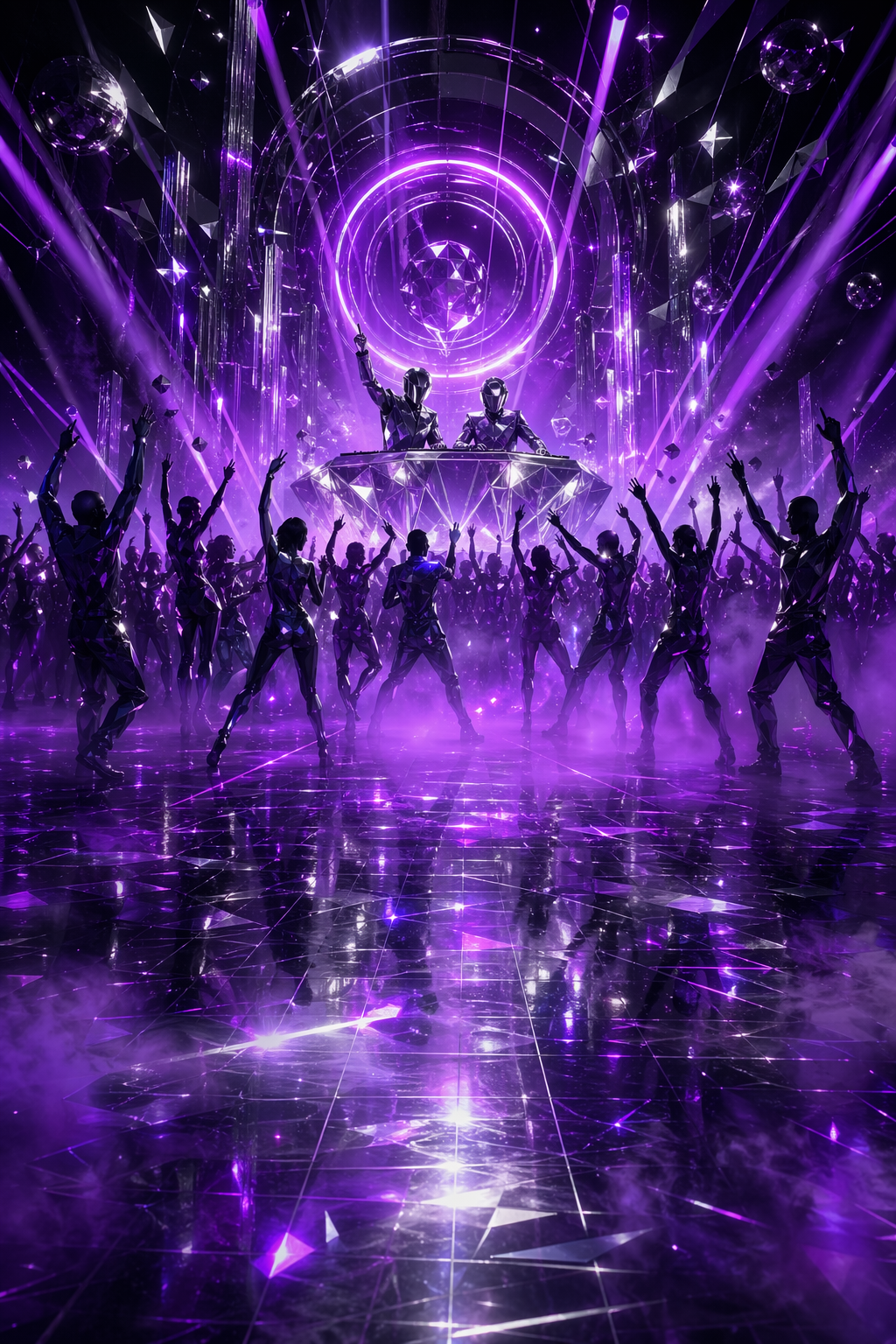
- Genre strip — primary: Parent genre.
- Genre strip — secondary: House.
- Frame border: Border uses the subgenre-derived colour theme (no country flag layer).
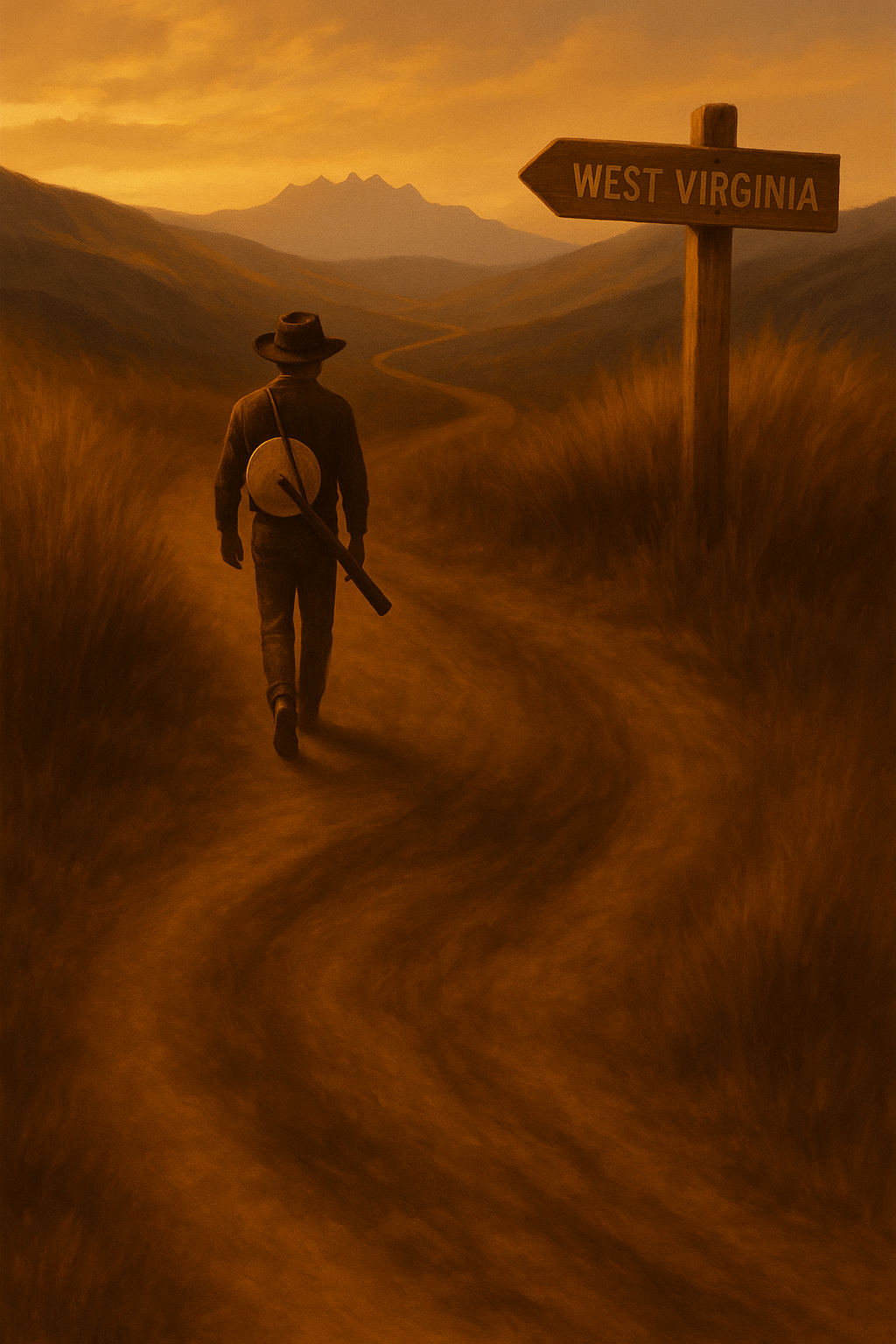
- Genre strip — primary: Country/region.
- Genre strip — secondary: Country-subgenre.
- Frame border: Border and full theme always come from the country/region theme.

- Genre strip — primary: Country/region.
- Genre strip — secondary: Country-subgenre.
- Frame border: Border and full theme always come from the region theme (same rule as country-subgenre).
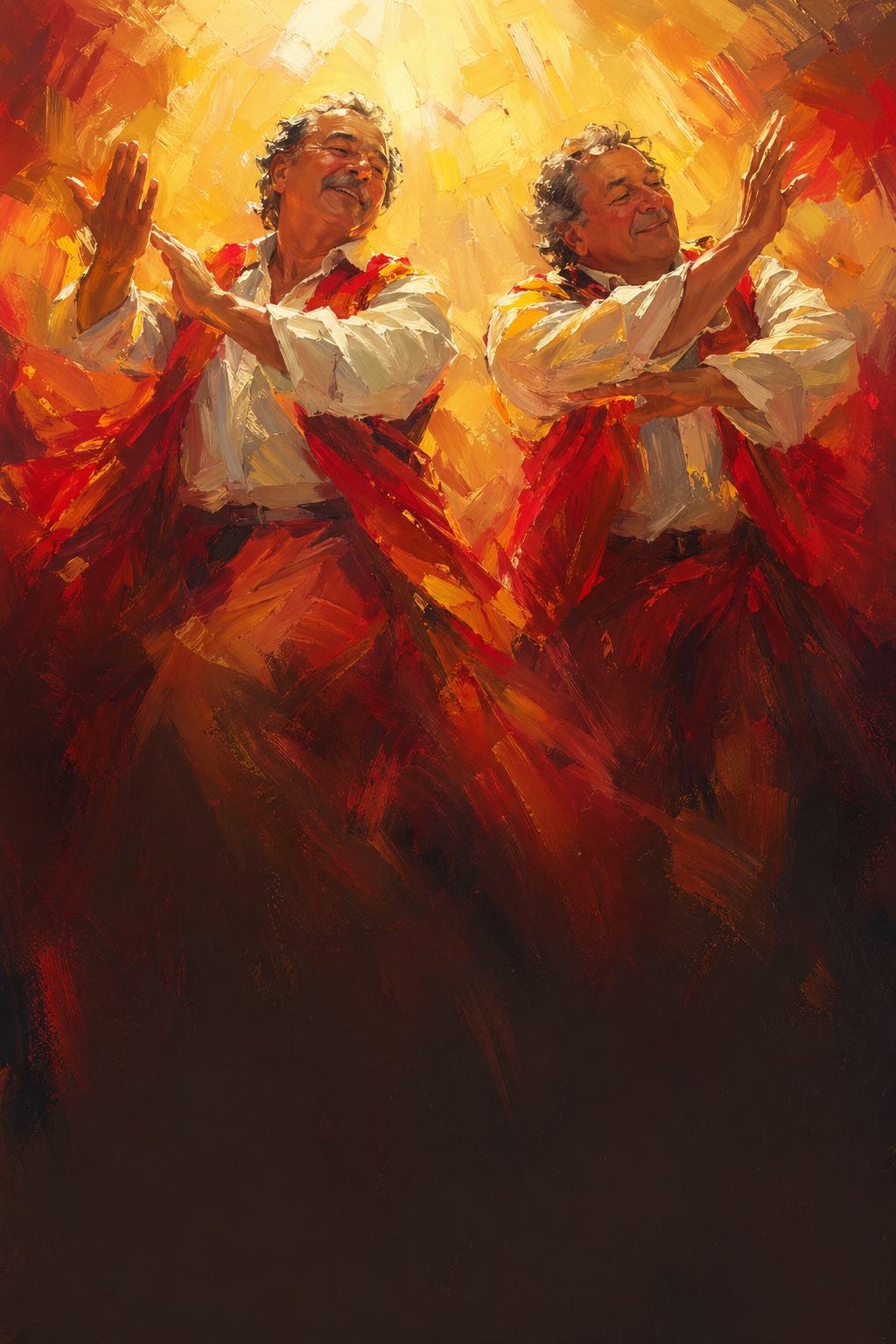
- Genre strip — primary: Country/region.
- Genre strip — secondary: Genre.
- Frame border: Border fades from country flag (left) to genre colour (right).

- Genre strip — primary: Country/region.
- Genre strip — secondary: Genre-subgenre.
- Frame border: Border fades from country flag (left) to subgenre/genre colour (right).
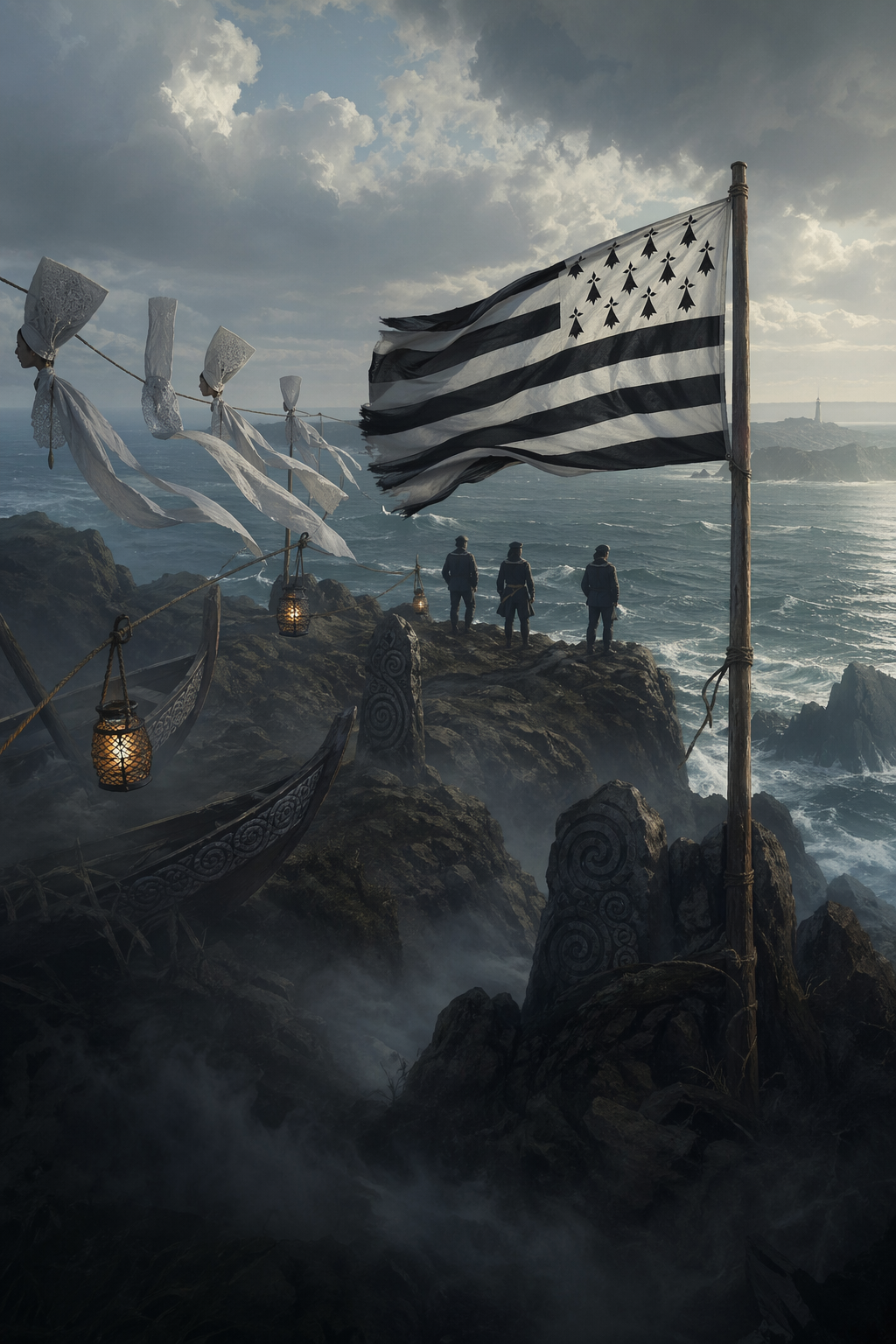
- Genre strip — primary: Country/region.
- Genre strip — secondary: Country-subgenre.
- Frame border: No border — artwork fills the card edge-to-edge. UI bands (Genre strip, ability, stats, footer) stay inset as in normal mode.
- Mainstream is displayed as Pop; pop-intensity subgenres also display Pop on the left label.
- Genre and genre-subgenre use colour diamonds.
- Country and country-subgenre use country identity: symbol when available, otherwise flag diamond.
This section summarises the same transition graph documented in Genres: each node is a genre and intensity pair, links are directional, and card strips visualise those legal in and out moves.
- Mainstream (pop) links to every genre at pop intensity.
- Each non-mainstream node links to itself and to adjacent intensities.
- Neighbour genres are reachable at the same intensity and at one step lower.
- Influence bridges from some subgenres add extra bidirectional links.
Full rule reference: Genres — Transitions.


In battles, genres form a matchup layer: each archetype is strong against one genre and weak against another. Your card's genre (from its subgenre) determines when you gain an edge or take a penalty against an opponent's card.
When your genre counters the opponent's genre, battle modifiers favour you (see the battle rules for exact values).
When your genre is weak against the opponent's genre, you take the corresponding penalty — plan sideboard and tempo around bad matchups.
Full per-genre columns: Genres — Associations ("Advantage vs" and "Weak vs"). Numeric battle modifiers: Battles.
Popularity is shown as a 1-9 award note instead of a bar. It reflects how broadly a track connects with the audience.
- 1-3: gold awards (one to three symbols).
- 4-6: platinum awards (one to three symbols).
- 7-9: diamond awards (one to three symbols).
- Popularity and Intensity are independent stats and can both be high.
Intensity replaces the old experimental gauge with four canonical levels. On the card it reads as a right-triangle volume gauge (right angle at the bottom-right at 100% width): the empty shape stays visible in dull grey; the saturated green→red band fills ¼ to 4/4 of its width (pop…hardcore), with a cursor and the matching percentage (25%–100%) at the fill edge. The spectrum is always anchored: red is fixed at the full 100% width, so lower levels only reveal the left (greener) part of that same ramp.
- Pop (1): low edge, broad accessibility.
- Soft (2): moderate experimentation.
- Experimental (3): strong stylistic risk.
- Hardcore (4): maximal edge and extremity.